Saudi Arabia’s transformation under Vision 2030 is not just economic — it is environmental. The Kingdom has committed to reaching net-zero emissions by 2060, generating 50% of its energy from renewable sources by 2030, and establishing sustainability as a core principle of its economic development model. For businesses operating in this environment, sustainable fitout Saudi Arabia is no longer an optional extra or a marketing statement — it is an expectation, a competitive differentiator, and increasingly a regulatory requirement.
KADL is a leading fitout company committed to delivering eco friendly office design Saudi Arabia projects that align with Vision 2030’s sustainability objectives — creating commercial environments that are as responsible as they are exceptional.
What Is Sustainable Commercial Fitout
Sustainable fitout is the practice of designing and constructing commercial interior environments in ways that minimize environmental impact, reduce resource consumption, improve indoor environmental quality, and support the long-term wellbeing of the people who inhabit them.
The key dimensions of sustainable fitout include:
- Material selection — specifying materials with low embodied carbon, recycled content, responsibly sourced certification, and low volatile organic compound (VOC) emissions
- Energy efficiency — designing lighting systems, HVAC configurations, and building envelope elements that minimize energy consumption throughout the operational life of the space
- Water efficiency — specifying low-flow fixtures and water-efficient amenity installations
- Waste reduction — minimizing construction waste through precise material ordering, off-site fabrication, and responsible disposal of unavoidable waste streams
- Indoor air quality — specifying materials and systems that maintain healthy indoor air quality — critical in sealed commercial buildings where occupants spend extended periods
- Flexibility and longevity — designing spaces that can adapt to changing business requirements without complete refurbishment, extending the useful life of the fitout and reducing its long-term environmental impact
Green Fitout KSA: Aligning Commercial Interiors With Saudi Arabia’s Environmental Agenda
Green fitout KSA represents the practical application of Saudi Arabia’s national sustainability agenda to the commercial interior sector. The Kingdom’s sustainability commitments create both opportunity and obligation for businesses investing in new or renovated commercial spaces.
How Saudi Arabia’s sustainability agenda impacts commercial fitout:
- The Saudi Green Initiative’s targets for carbon reduction create pressure on businesses to demonstrate environmental responsibility across all aspects of their operations — including their physical premises
- Increasingly, major corporate tenants and government entities are requiring sustainability credentials from their suppliers and partners — making a green fitout a commercial qualification in some sectors
- Riyadh Municipality and other local authorities are progressively introducing sustainability requirements into building permit processes — making compliance a regulatory necessity rather than just a market differentiator
- Energy costs in commercial buildings are rising, making energy-efficient fitout design a direct financial benefit as well as an environmental one
LEED Fitout Saudi Arabia: The Gold Standard for Sustainable Commercial Design
LEED fitout Saudi Arabia — Leadership in Energy and Environmental Design — represents the internationally recognized benchmark for sustainable commercial interior design and construction. LEED certification for commercial interiors (LEED CI) evaluates fitout projects across six core categories:
Location and Transportation Consideration of the building’s access to public transportation, cycling facilities, and sustainable commuting options — reflecting the fitout team’s influence on how occupants travel to and from the space.
Sustainable Sites Management of the construction process to minimize site disturbance, light pollution, and heat island effects within and around the fitted space.
Water Efficiency Specification of low-flow plumbing fixtures and water-efficient amenity systems that reduce potable water consumption throughout the operational life of the fitout.
Energy and Atmosphere Design of lighting systems, plug load management strategies, and HVAC configurations that minimize energy consumption and support the building’s overall energy performance.
Materials and Resources Selection of materials with recycled content, responsibly sourced certification, and low embodied carbon — together with construction waste management practices that divert waste from landfill.
Indoor Environmental Quality Specification of low-VOC materials, design of ventilation systems that maintain fresh air supply, optimization of natural light access, and acoustic design that supports occupant comfort and cognitive performance.
KADL supports clients pursuing LEED CI certification — providing the documentation, specification management, and construction practice oversight that the certification process requires.
Vision 2030 Sustainable Construction: How KADL Aligns Every Project
Vision 2030 sustainable construction principles are embedded in KADL’s project delivery approach at every level — from the materials specified and the suppliers selected to the construction practices employed on site and the energy performance of the finished environment.
KADL’s sustainable fitout commitments:
- All timber specified in KADL projects carries FSC (Forest Stewardship Council) or equivalent responsible sourcing certification
- Low-VOC paints, adhesives, sealants, and flooring materials are specified as standard — protecting indoor air quality for all building occupants
- LED lighting is specified universally, with occupancy sensors, daylight harvesting controls, and smart lighting management systems integrated where the project brief supports them
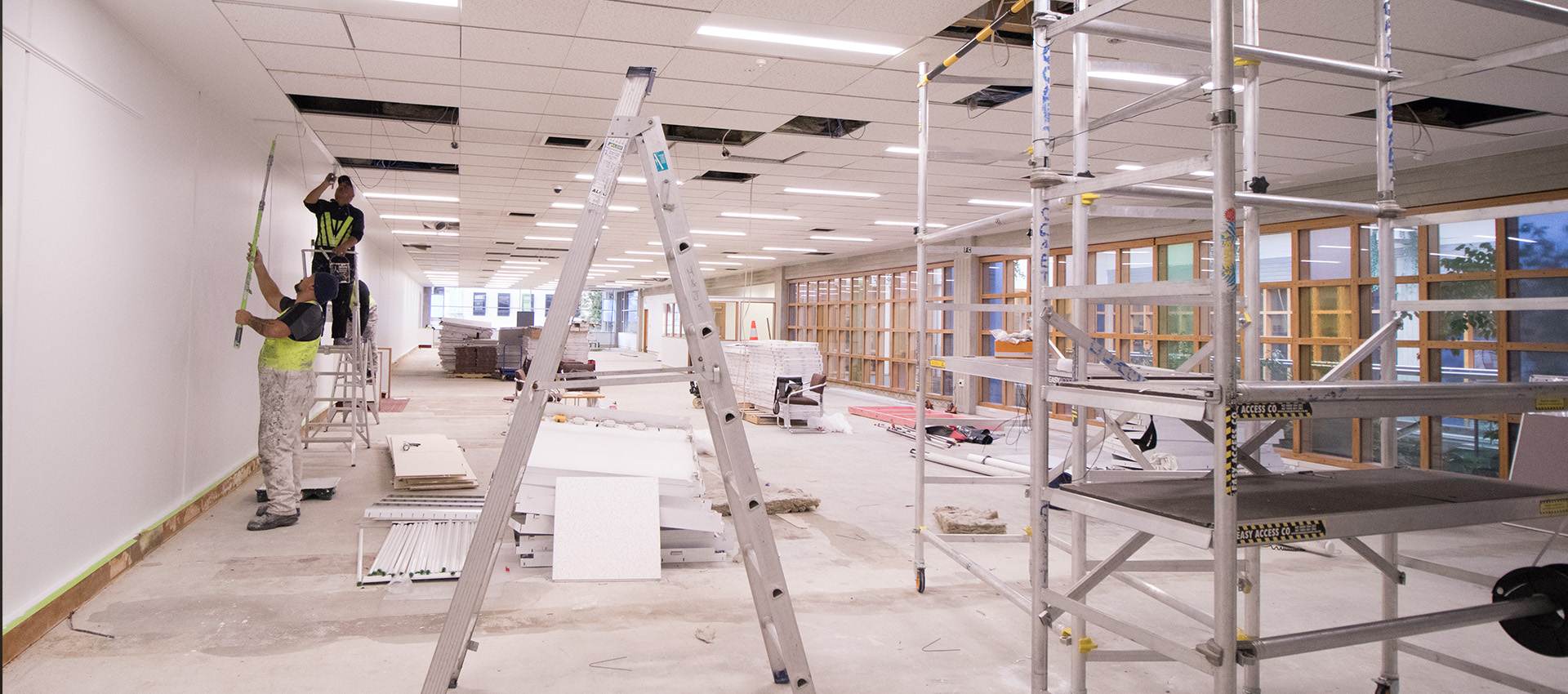
- Construction waste is segregated on site and diverted to appropriate recycling and recovery streams — with waste management reports provided to clients on request
- Local material sourcing is prioritized where quality and specification requirements are met — reducing the embodied carbon of transportation and supporting the Saudi supply chain
Sustainable Interior Design Riyadh: Practical Applications for Commercial Spaces
Sustainable interior design Riyadh in practice looks different from sector to sector — but shares a common commitment to environmental responsibility, material quality, and long-term performance.
In corporate offices:
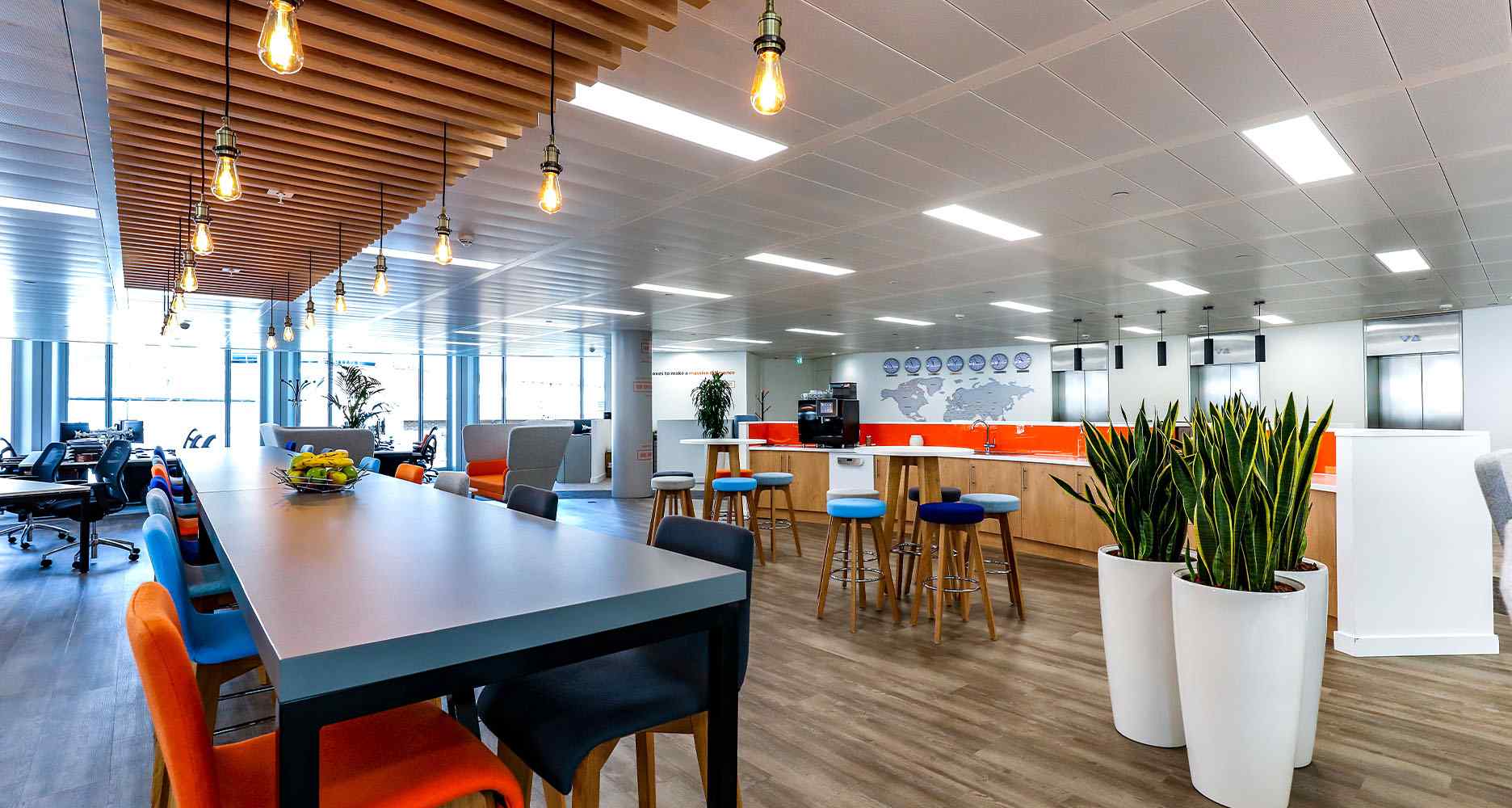
- Circadian lighting systems that adjust color temperature and intensity throughout the day to support employee alertness and wellbeing
- Modular partition systems that allow space reconfiguration without demolition — reducing waste and extending the fitout’s useful life
- Carpet tiles with high recycled content and end-of-life take-back programs
- Biophilic elements including living walls, planting, and natural material specification that improve air quality and occupant wellbeing
In retail environments:
- LED display lighting with precise beam control that reduces wasted light energy while improving product presentation
- Reclaimed timber and recycled metal fixtures that communicate sustainability values to environmentally conscious consumers
- Modular display systems designed for easy reconfiguration as product ranges evolve — avoiding the waste of complete fixture replacement
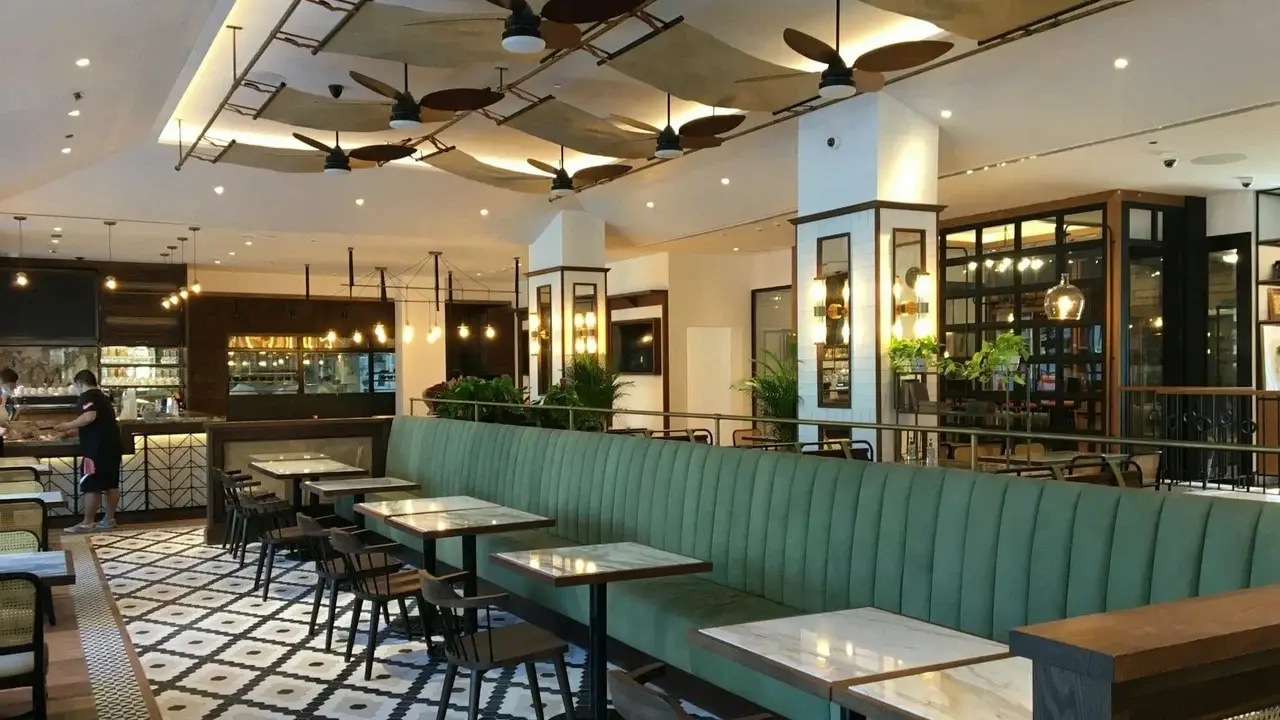
In restaurants and cafés:
- Energy-efficient commercial kitchen equipment specification
- Sustainable material palettes including reclaimed timber, recycled glass, and natural stone
- Lighting control systems that adjust to different day parts — reducing energy consumption during quieter service periods
FAQs
Does sustainable fitout cost more than conventional fitout?
Sustainable specification can carry a modest premium at the material level — but this is frequently offset by lower operational energy costs, potential LEED certification premium on lease values, and the growing commercial benefit of demonstrable sustainability credentials. KADL's approach to sustainable fitout is to maximize environmental benefit within the client's budget rather than treating sustainability as a cost addition.
Can KADL deliver LEED-certified fitout projects in Saudi Arabia?
Yes. KADL supports clients pursuing LEED CI certification — providing specification management, documentation support, and construction practice oversight aligned with LEED requirements throughout the project.
How do I start a sustainable fitout project with KADL?
Contact KADL for an initial sustainability consultation — where the team will assess your project's sustainability potential, identify the most impactful environmental interventions within your budget, and outline the certification pathway if LEED accreditation is a project objective.